
Carmen on Cockatoo Island
Senior Producer | Opera Australia | 2022
Creating an opera in the middle of the harbour
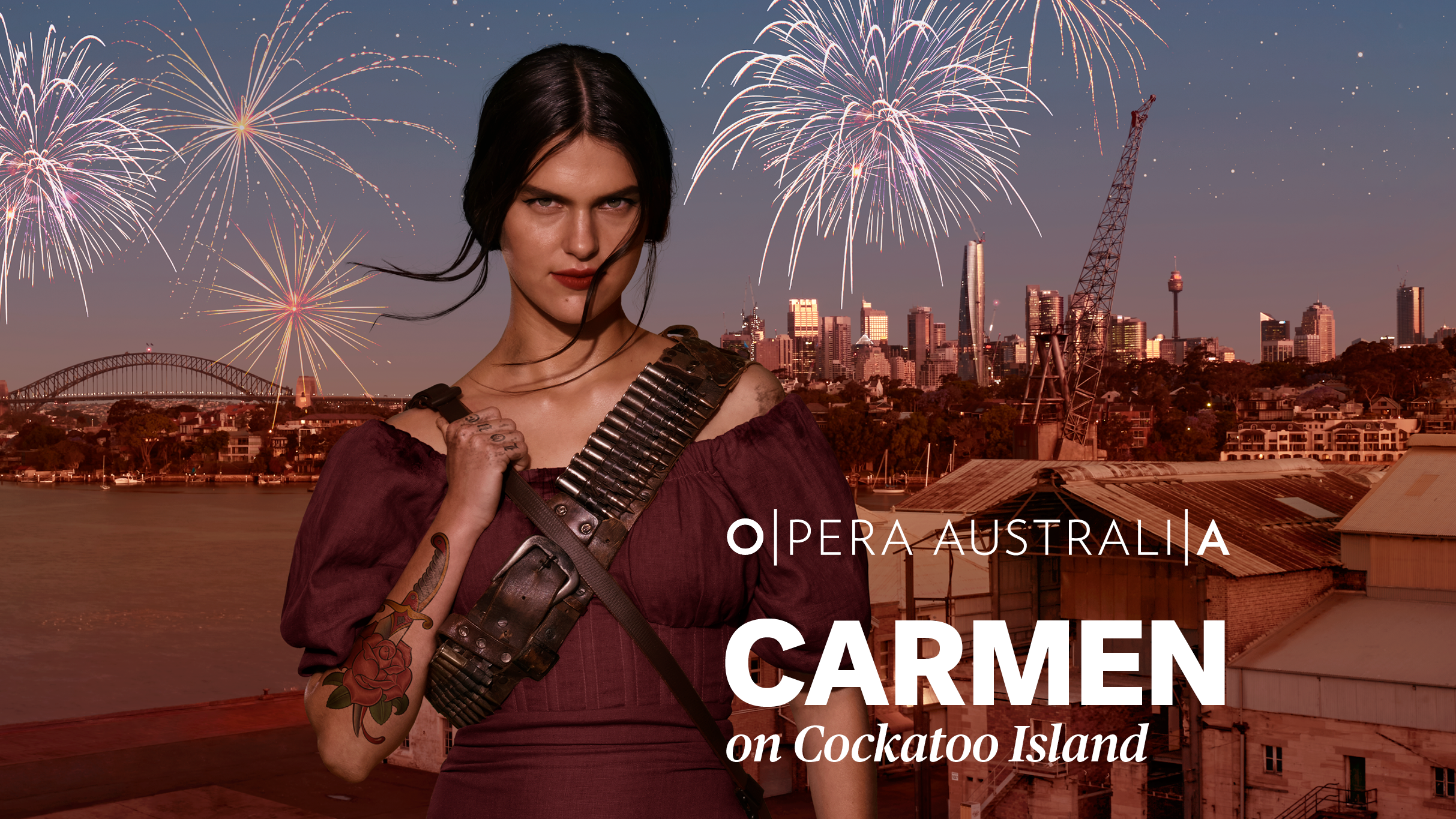
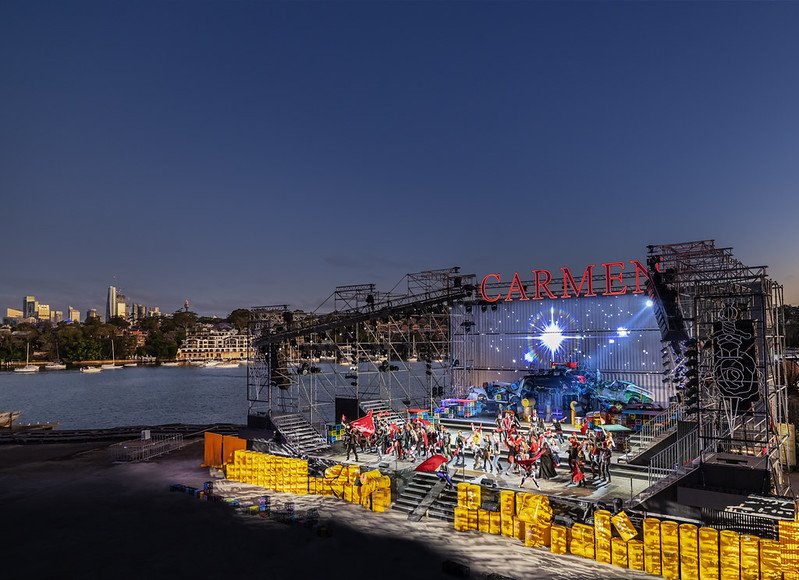
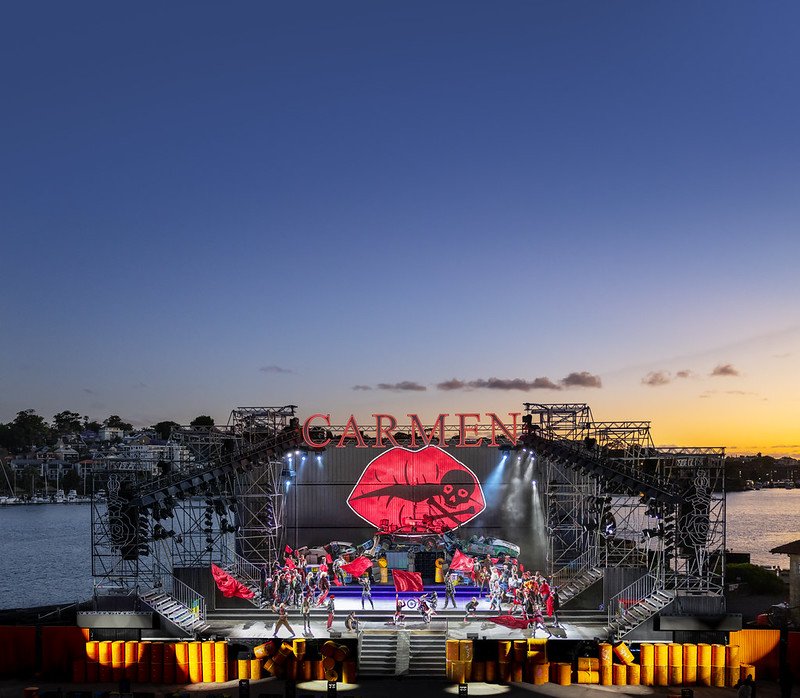
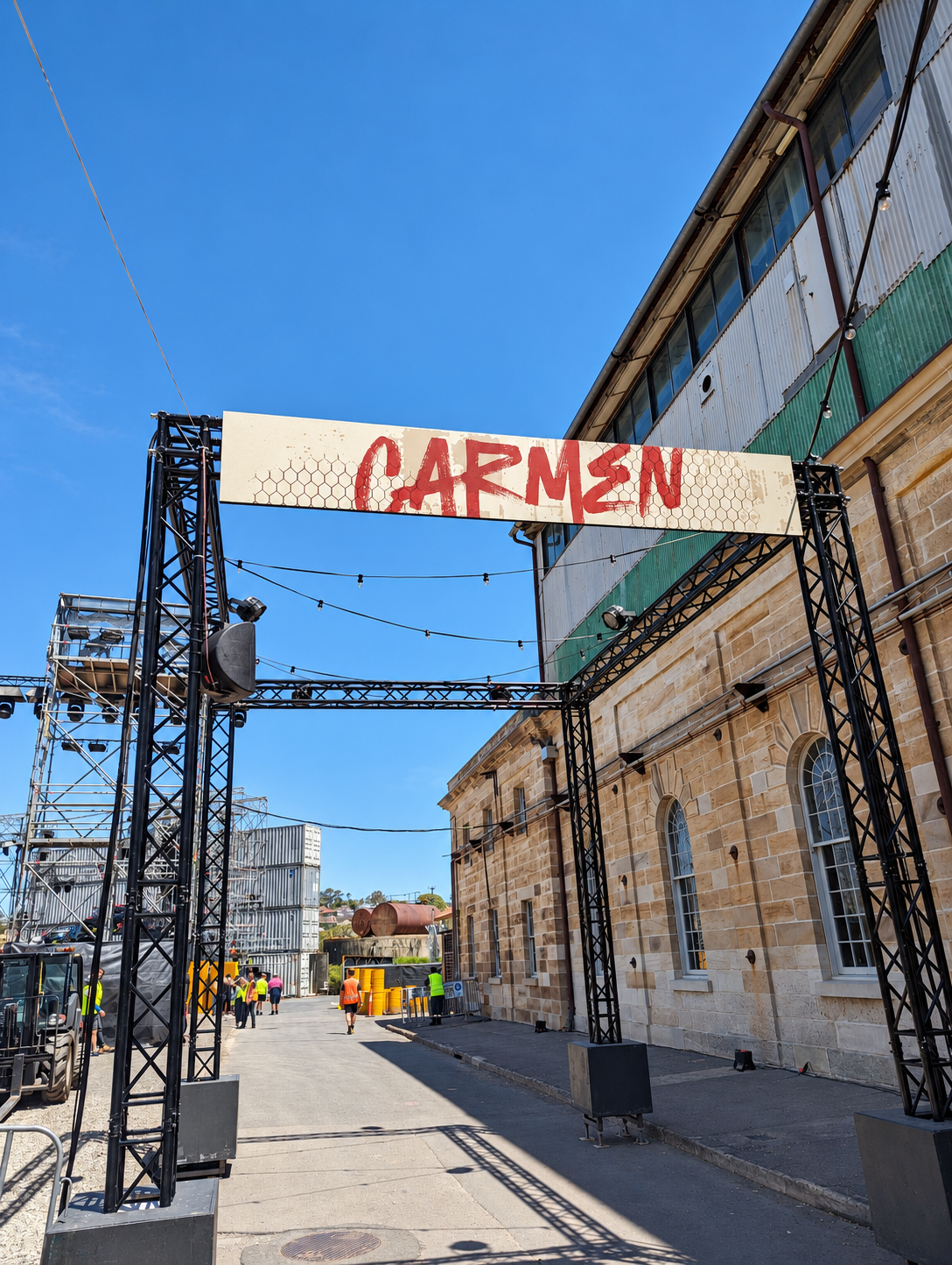
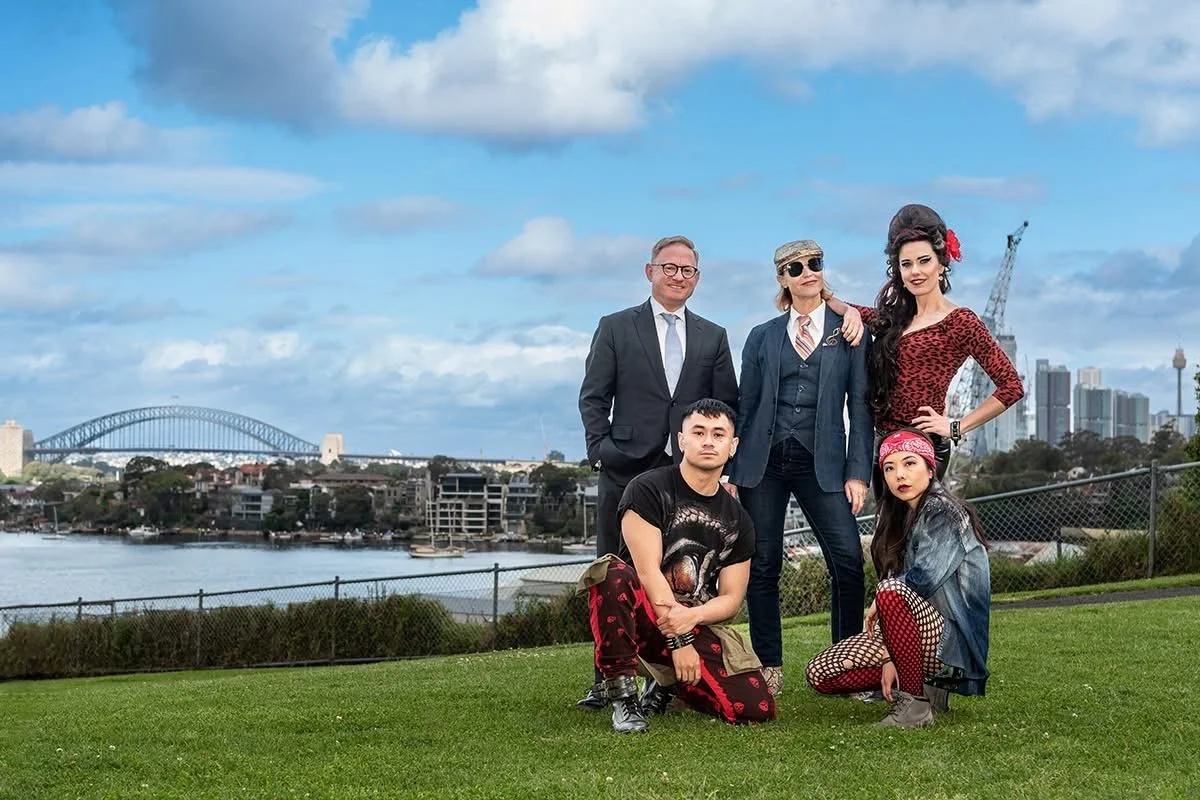
Carmen on Cockatoo Island transformed one of Sydney Harbour’s most distinctive industrial sites into a temporary outdoor theatre.
A theatre surrounded by water
It was also an extraordinary logistical undertaking.
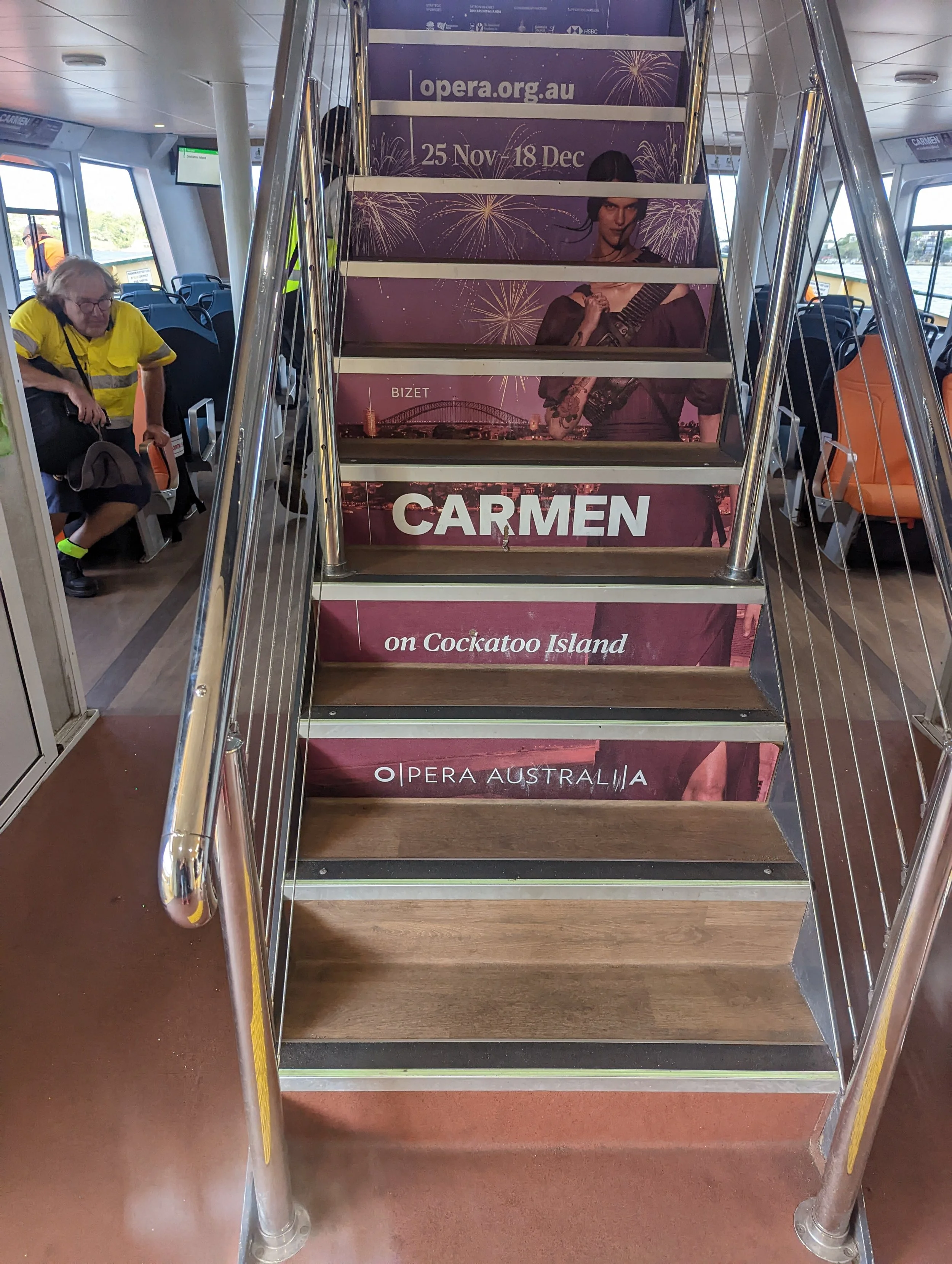
The audience journey had to be created too. Dedicated ferry services were coordinated to carry thousands of guests to and from the island, turning their arrival across the water into the opening chapter of the evening.
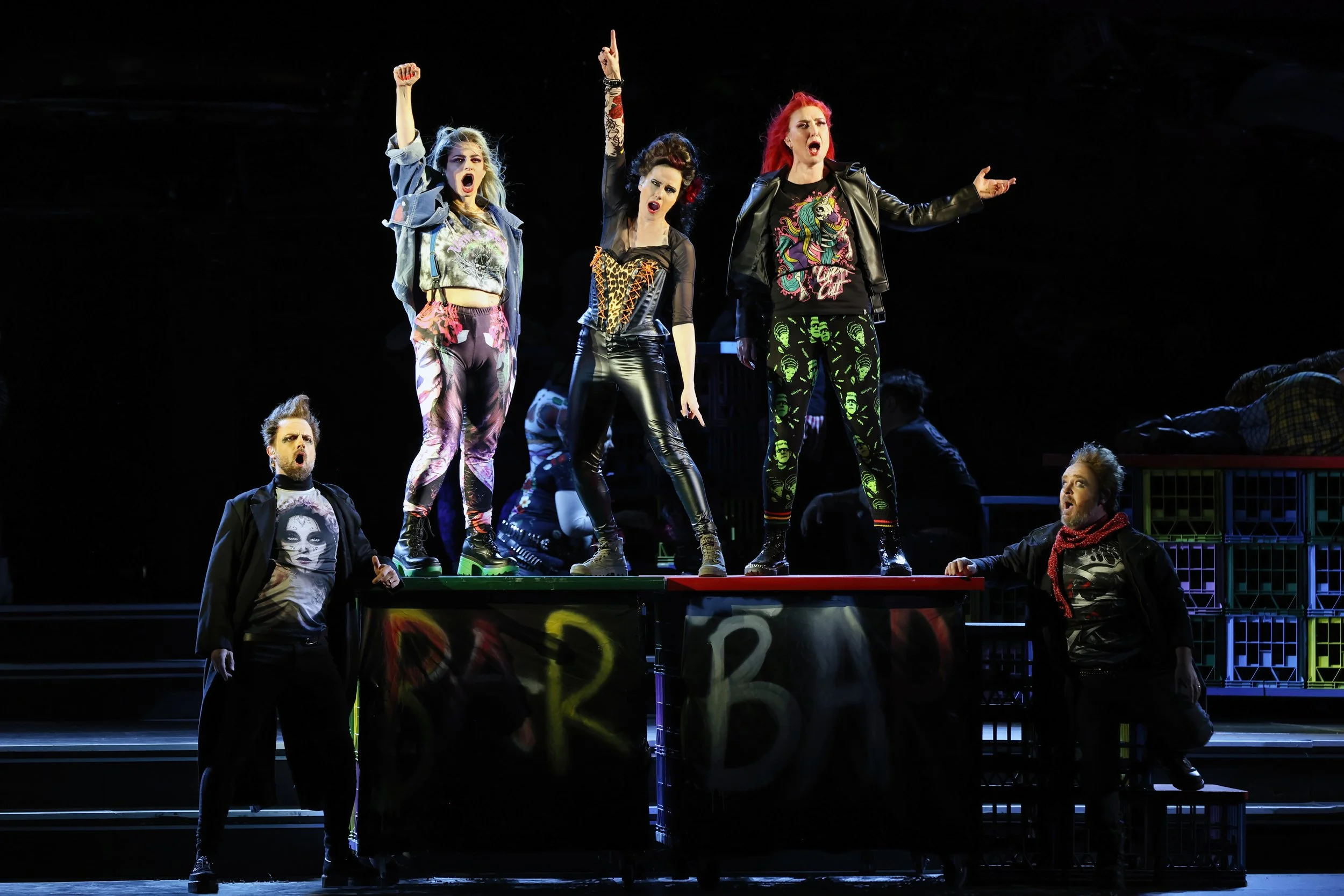
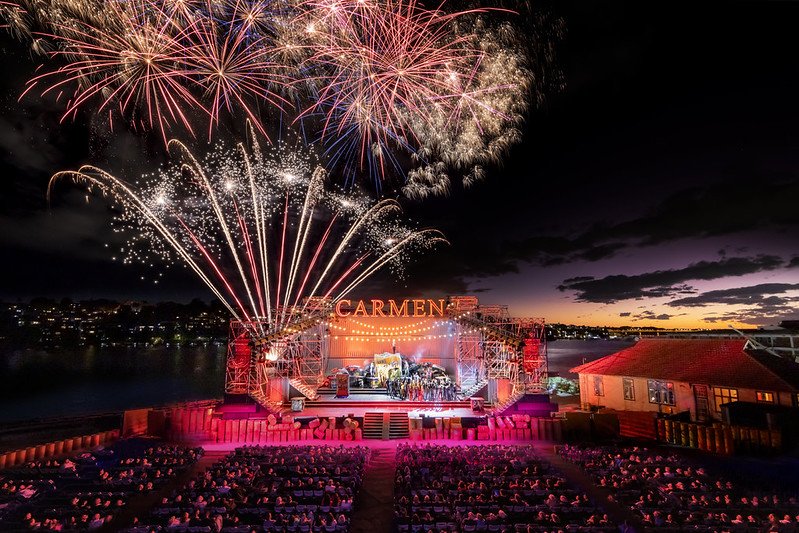
Staged by Opera Australia at Bolt Wharf against Cockatoo Island’s striking industrial landscape, this new outdoor production brought together opera, live spectacle, motorbike stunts, crashed cars and fireworks. It was bold, atmospheric and deliberately unexpected.
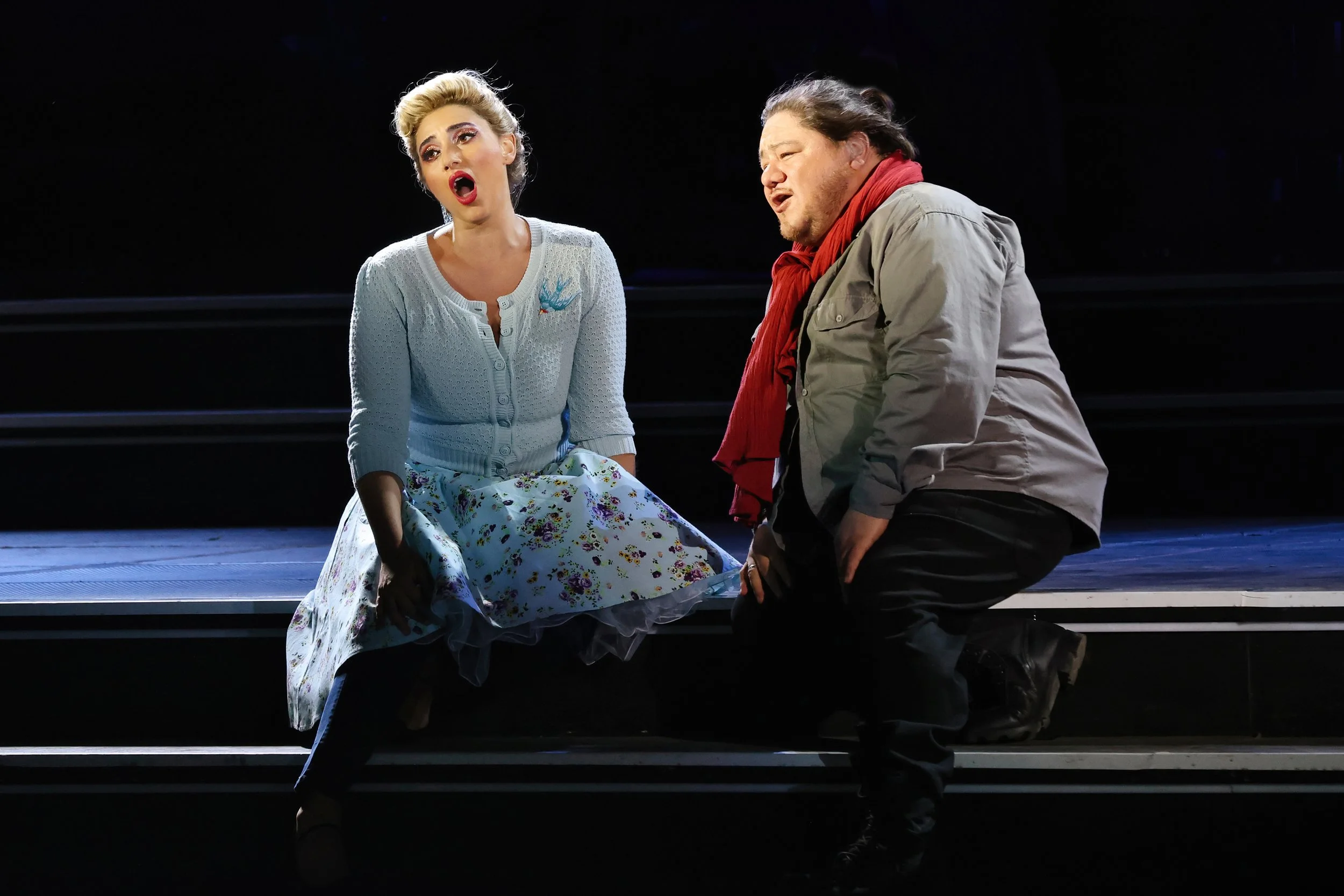
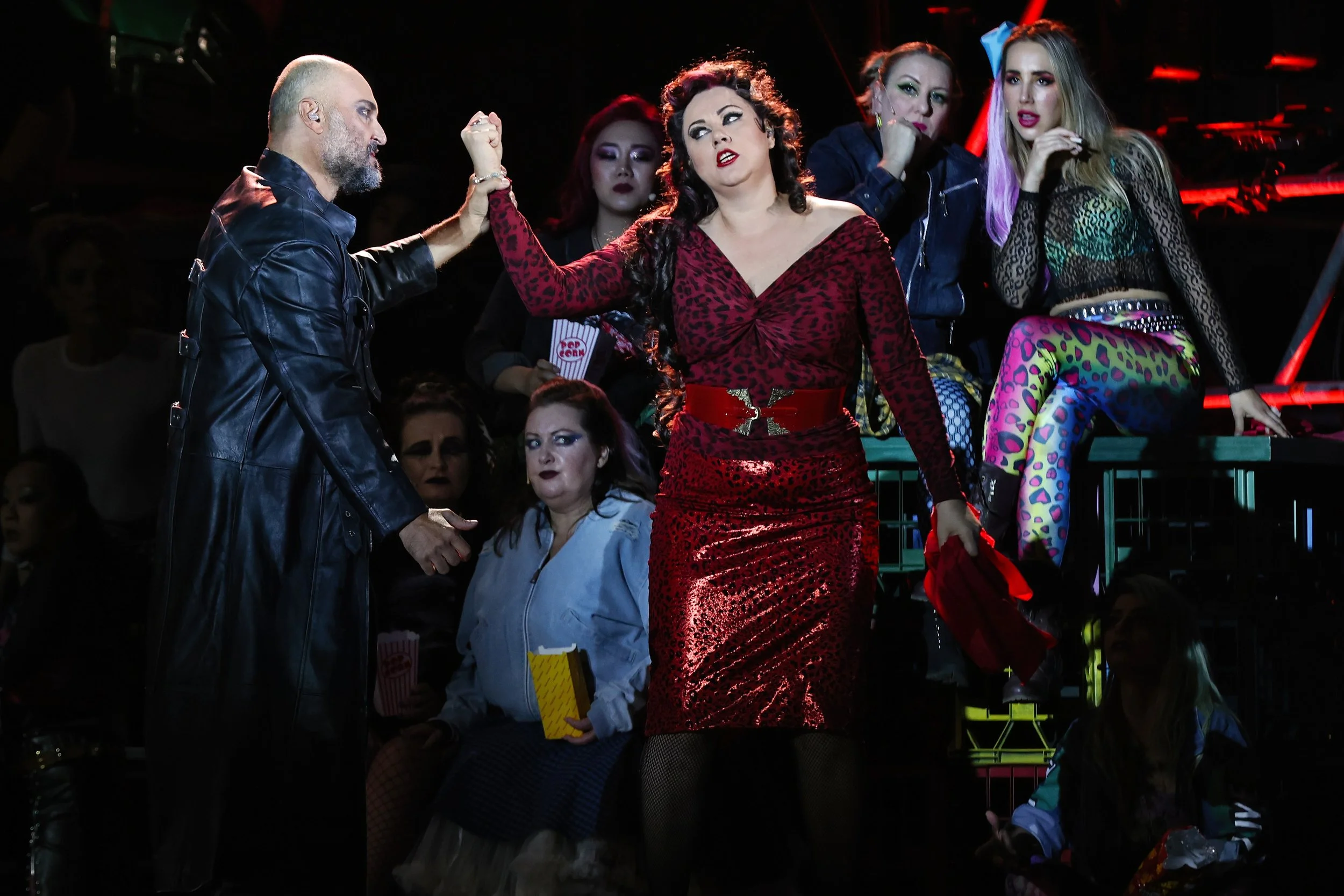
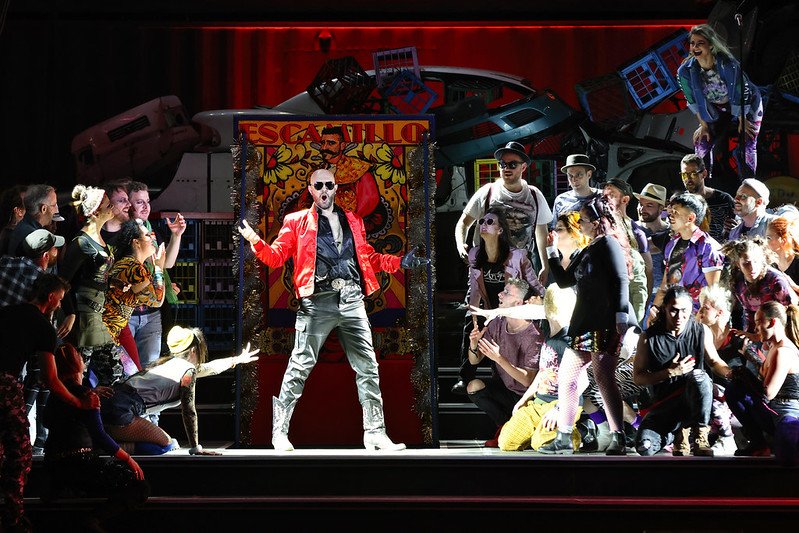
The production combined Bizet’s famous score with a rebellious contemporary world of motorbike stunts, wrecked cars, neon, scaffolding and fireworks. The island setting gave the production extraordinary atmosphere—but it also shaped every aspect of its planning and delivery.
With no road access, everything required to build and operate the venue had to cross the harbour. Staging, seating, technical equipment, site infrastructure, hospitality supplies and performance vehicles all needed to be transported by barge. Audiences, artists, crew and staff also needed coordinated ferry services to get them safely to and from the island.
Making the journey part of the event
Moving the audience was an essential part of the production.
Dedicated shuttle ferries were coordinated alongside existing public transport options, with careful planning around vessel capacity, departure times, boarding, accessibility, queuing and the movement of audiences off the island following each performance.
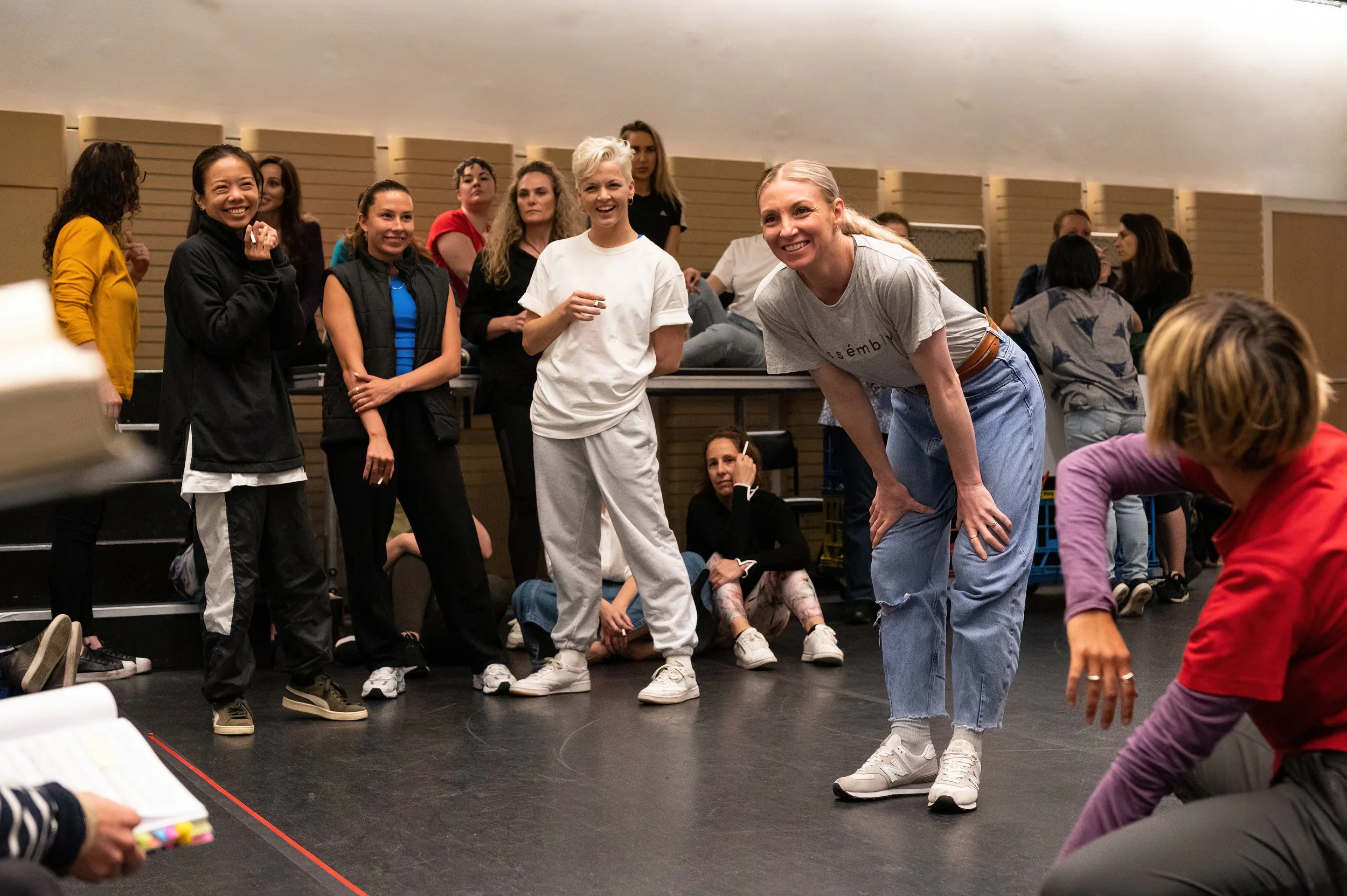
Separate transport arrangements were also required for artists, crew, contractors and operational teams working across the build, rehearsal, performance and dismantling periods.
Rather than disguising the logistical challenge, the production embraced it. The ferry journey across Sydney Harbour created anticipation and established the sense that audiences were travelling somewhere unexpected.
Building a theatre on an island
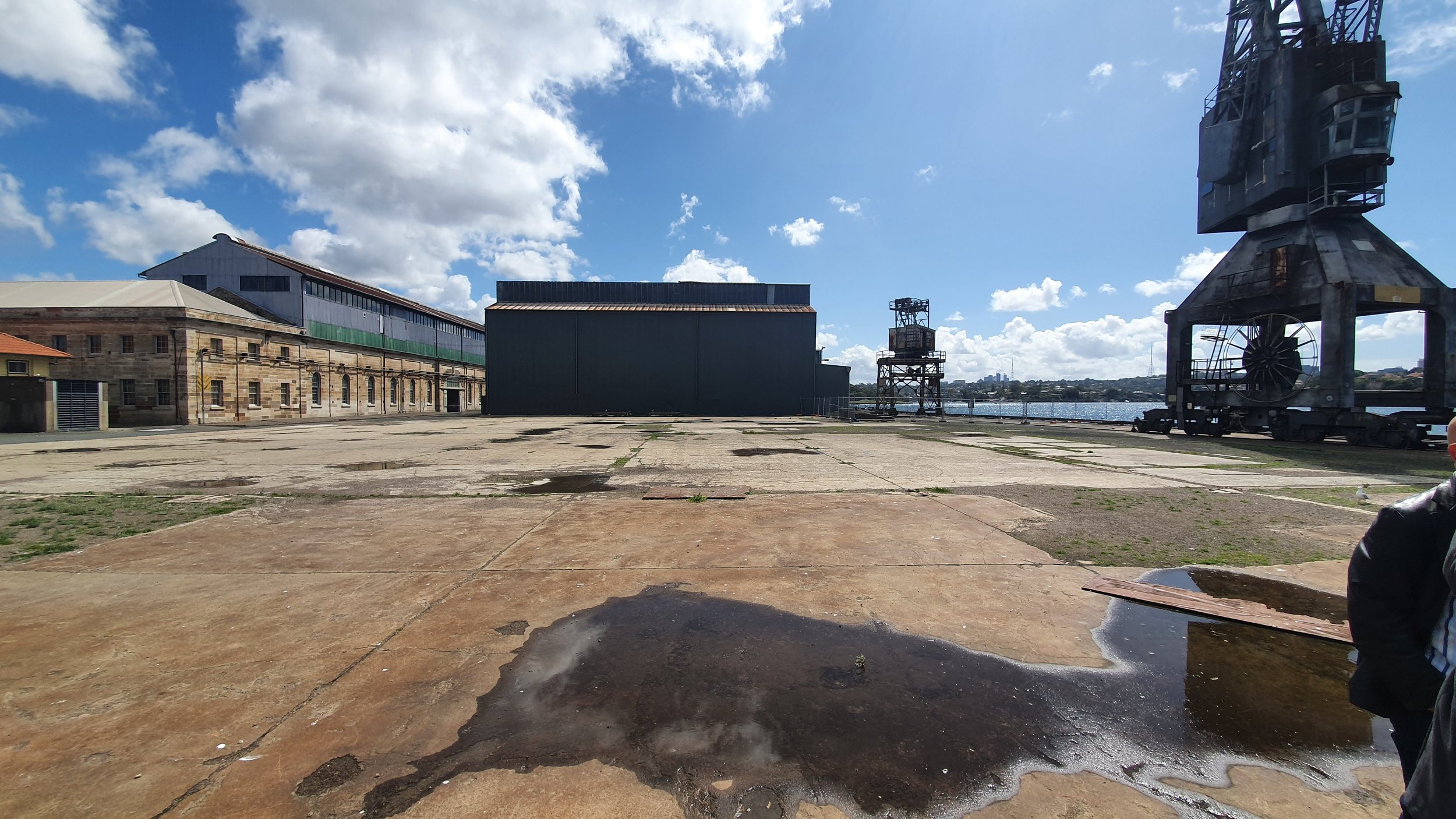
Cockatoo Island provided a remarkable visual environment, but none of the permanent infrastructure of a conventional theatre.
Everything needed onsite had to be identified, sequenced and transported across the water. Barge movements became part of the production’s critical path, with equipment and materials loaded in the order required for the build.
There was no option to place a forgotten item in a truck and deliver it later. Freight schedules, loading windows, marine access, weather, storage and installation all had to work together.
The challenge was to create the comfort, safety and production standards expected of a major theatrical venue while retaining the raw character of the World Heritage-listed industrial site.
Project leadership and producing oversight
Budget development and financial management
Contracting and stakeholder relationships
Production planning and scheduling
Site development and temporary venue operations
Marine freight and barge logistics
Audience, artist and workforce transport
Hospitality and guest-experience planning
Risk, safety and operational compliance
Coordination of creative, production, technical and site teams
The project required us to think beyond the production onstage. We were creating an entire theatrical destination—and the journey across the harbour was the audience’s first experience of it.
Stunt motorbikes and live spectacle
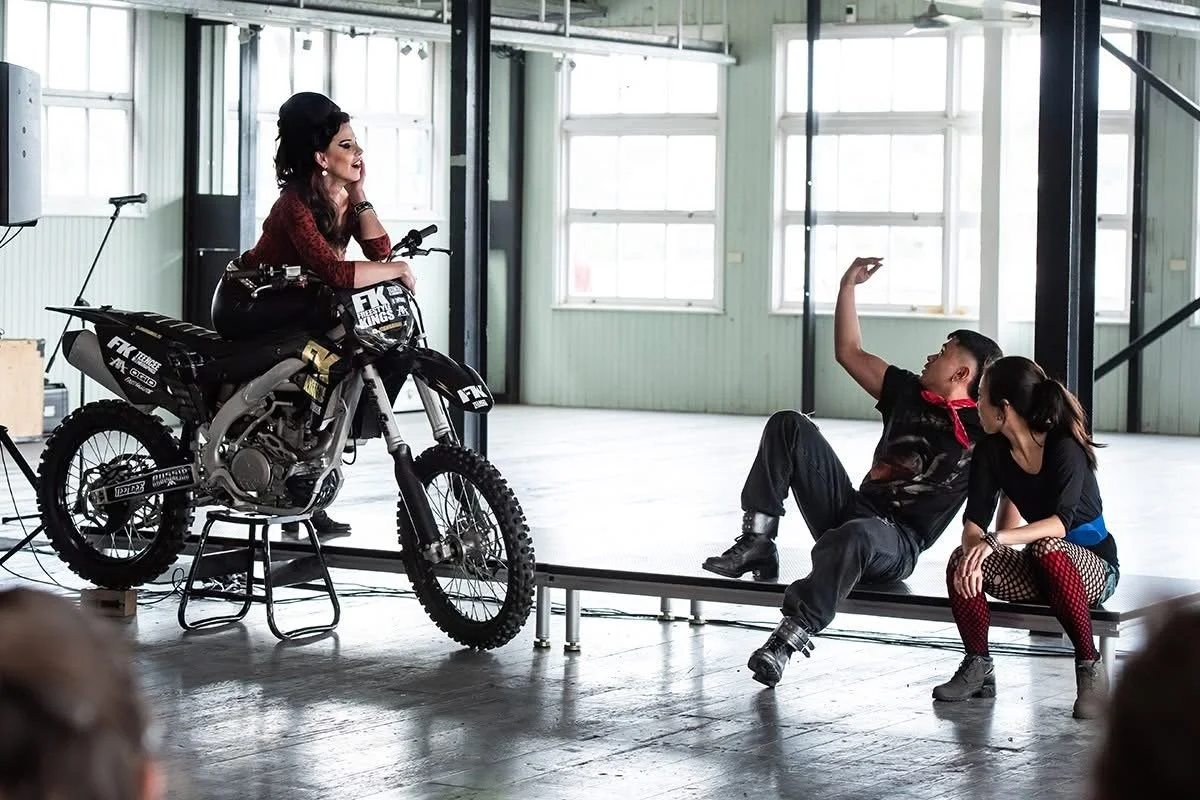
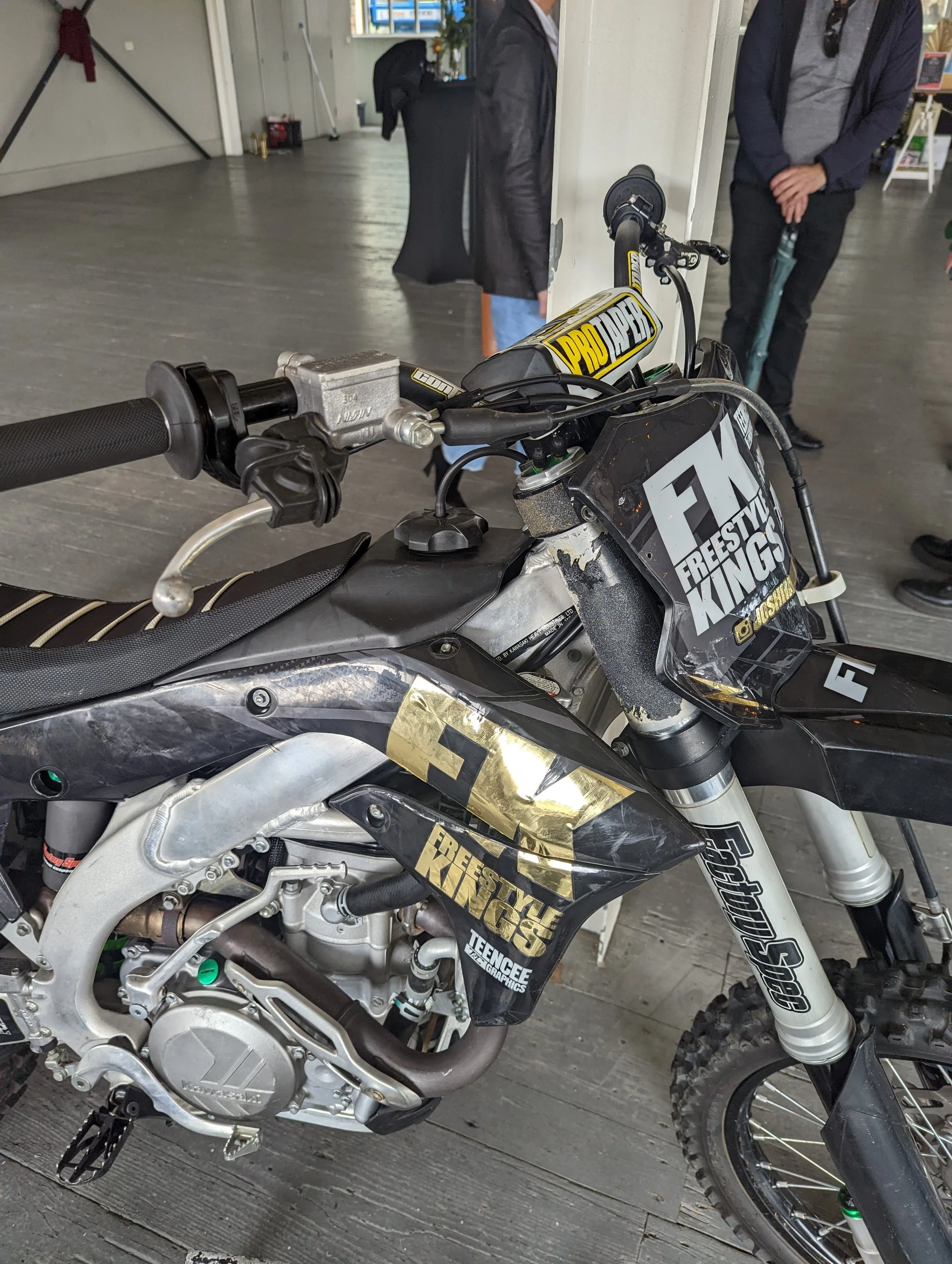
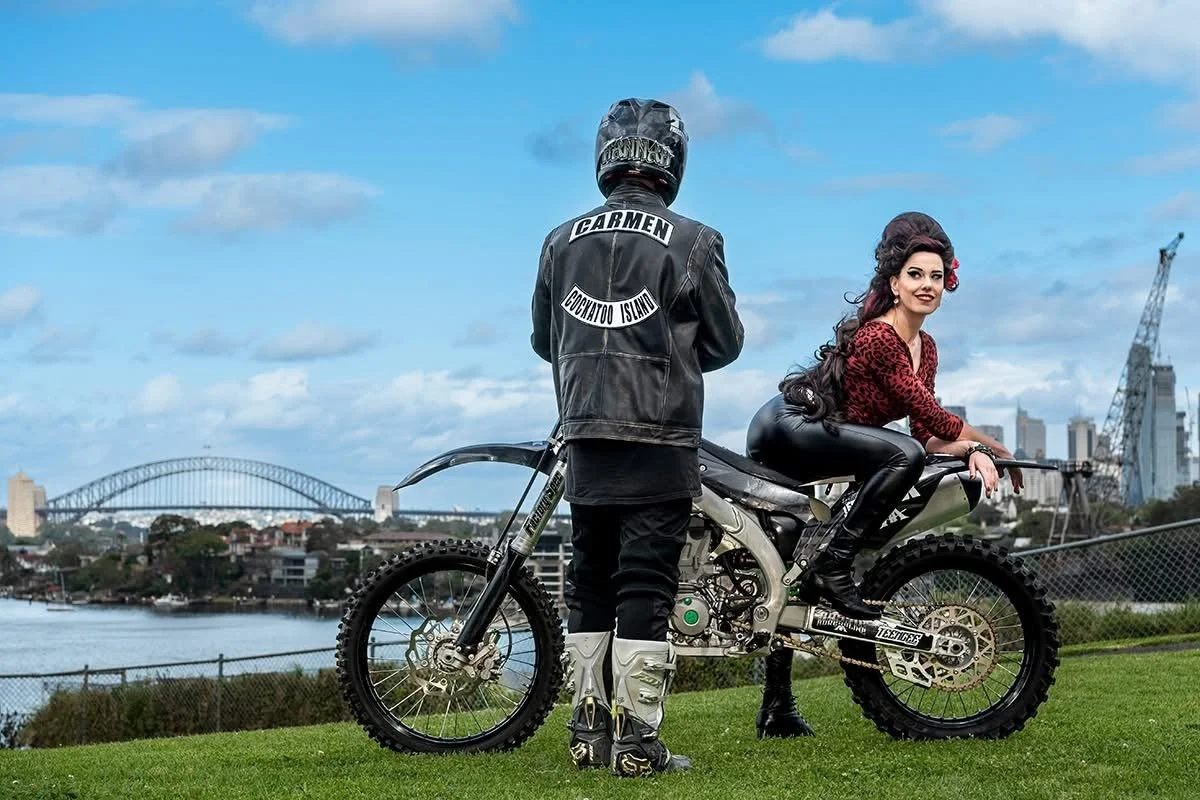
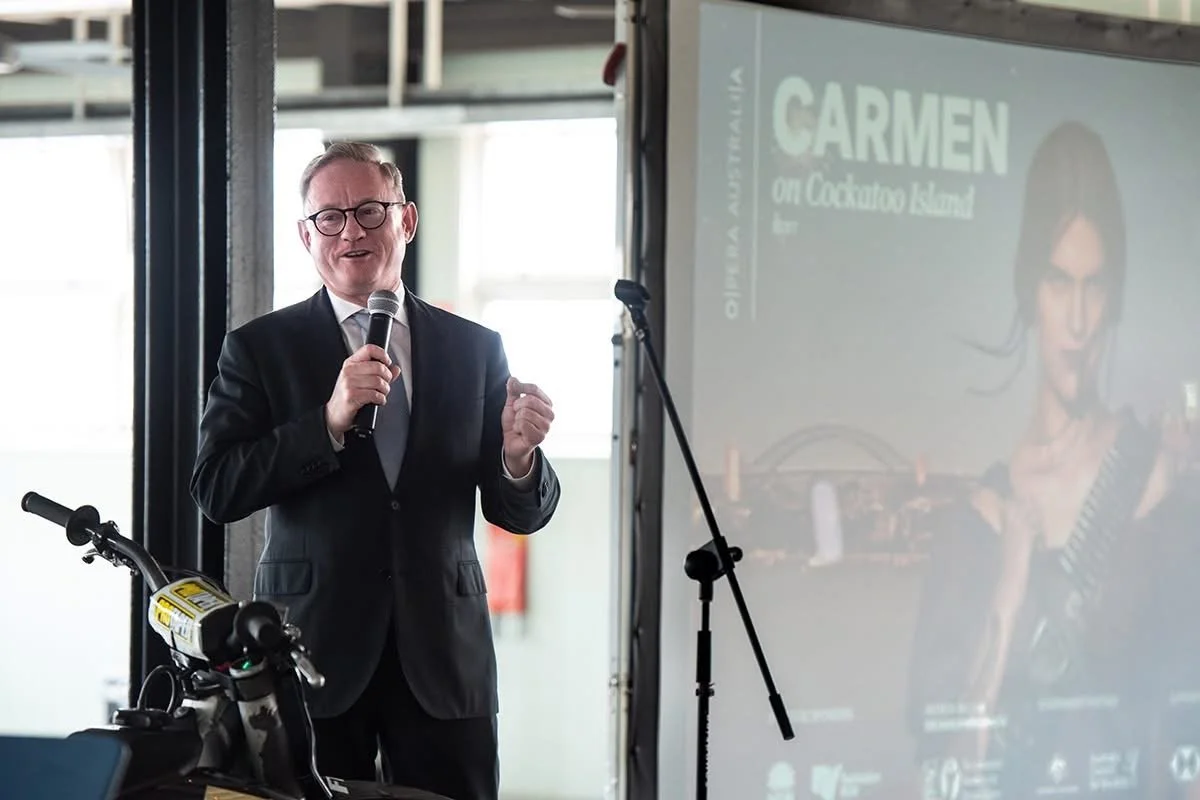
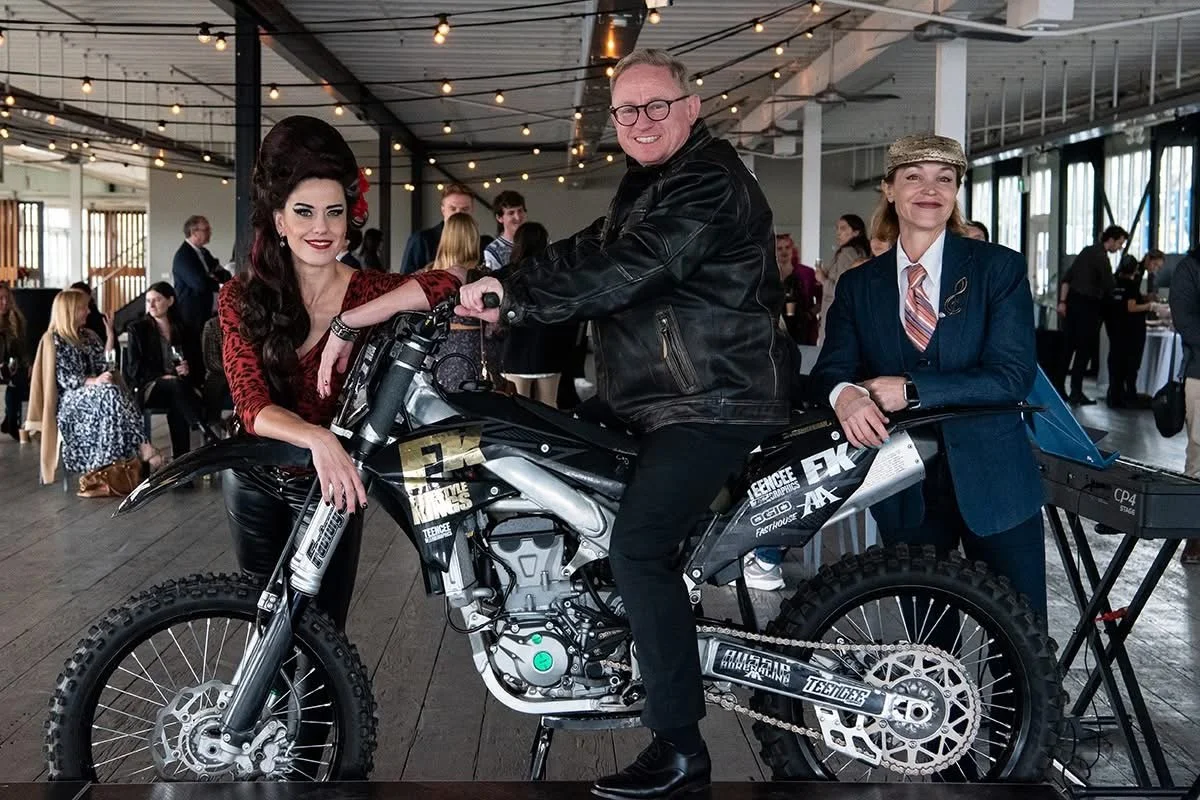
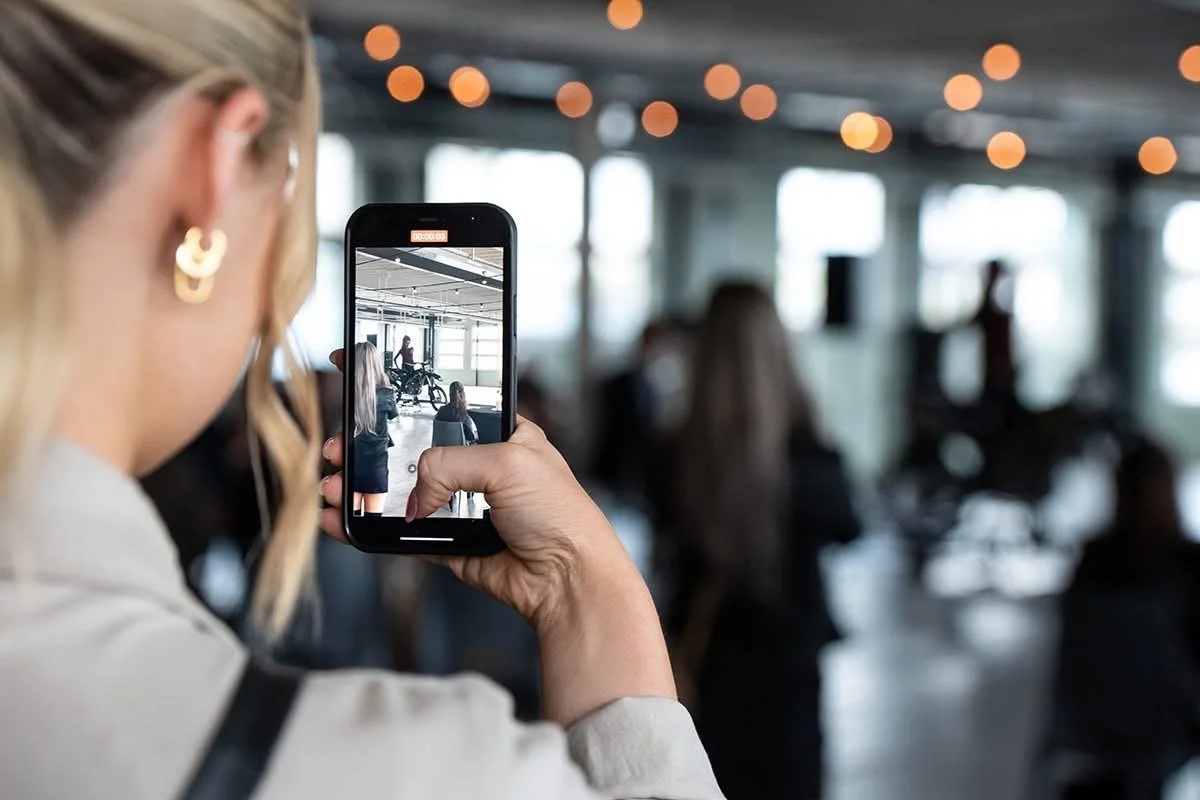
The production opened with three off-road motorbikes roaring around the audience. The stunt riders returned later as mechanical representations of the bulls within the story.
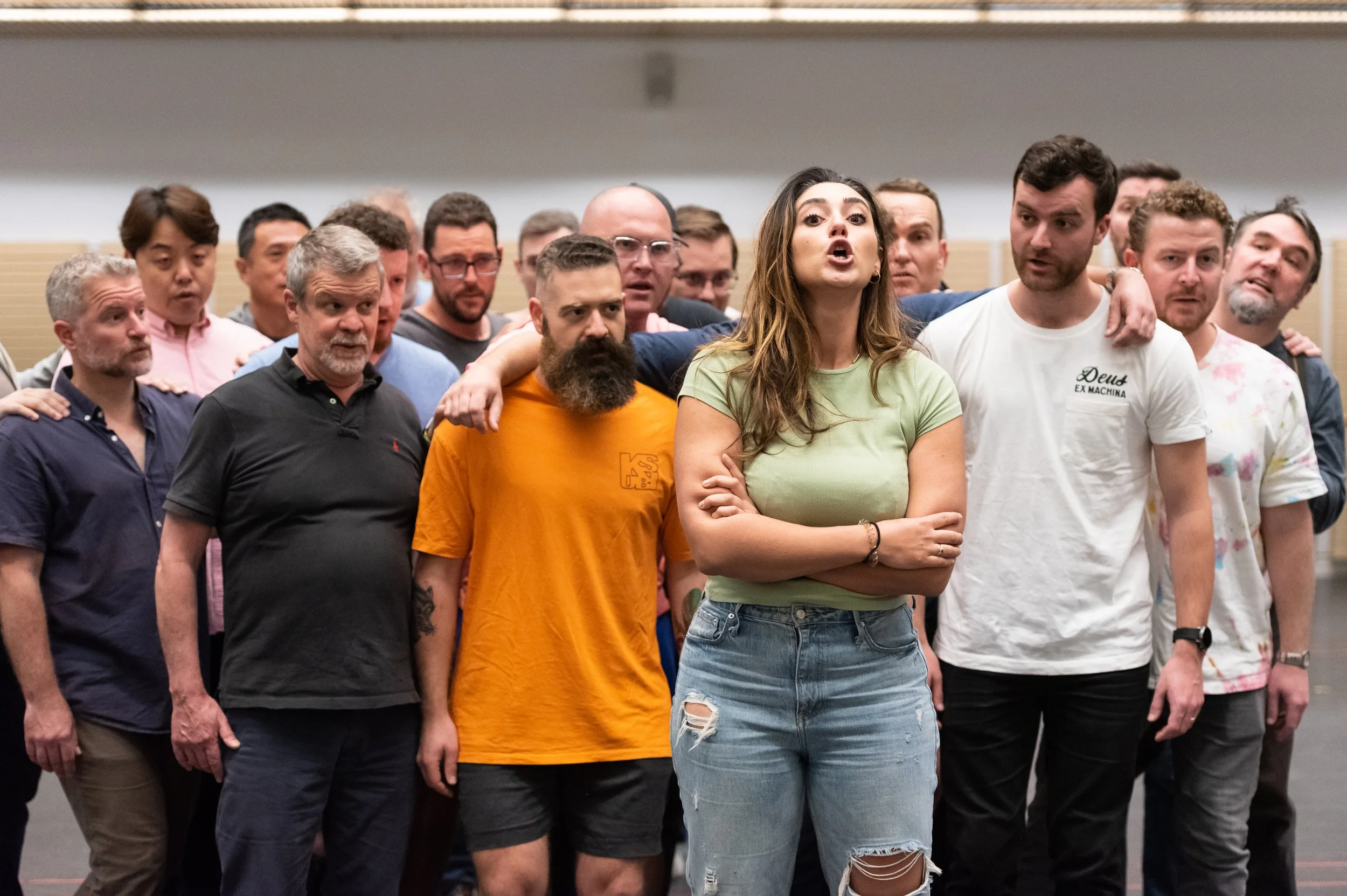
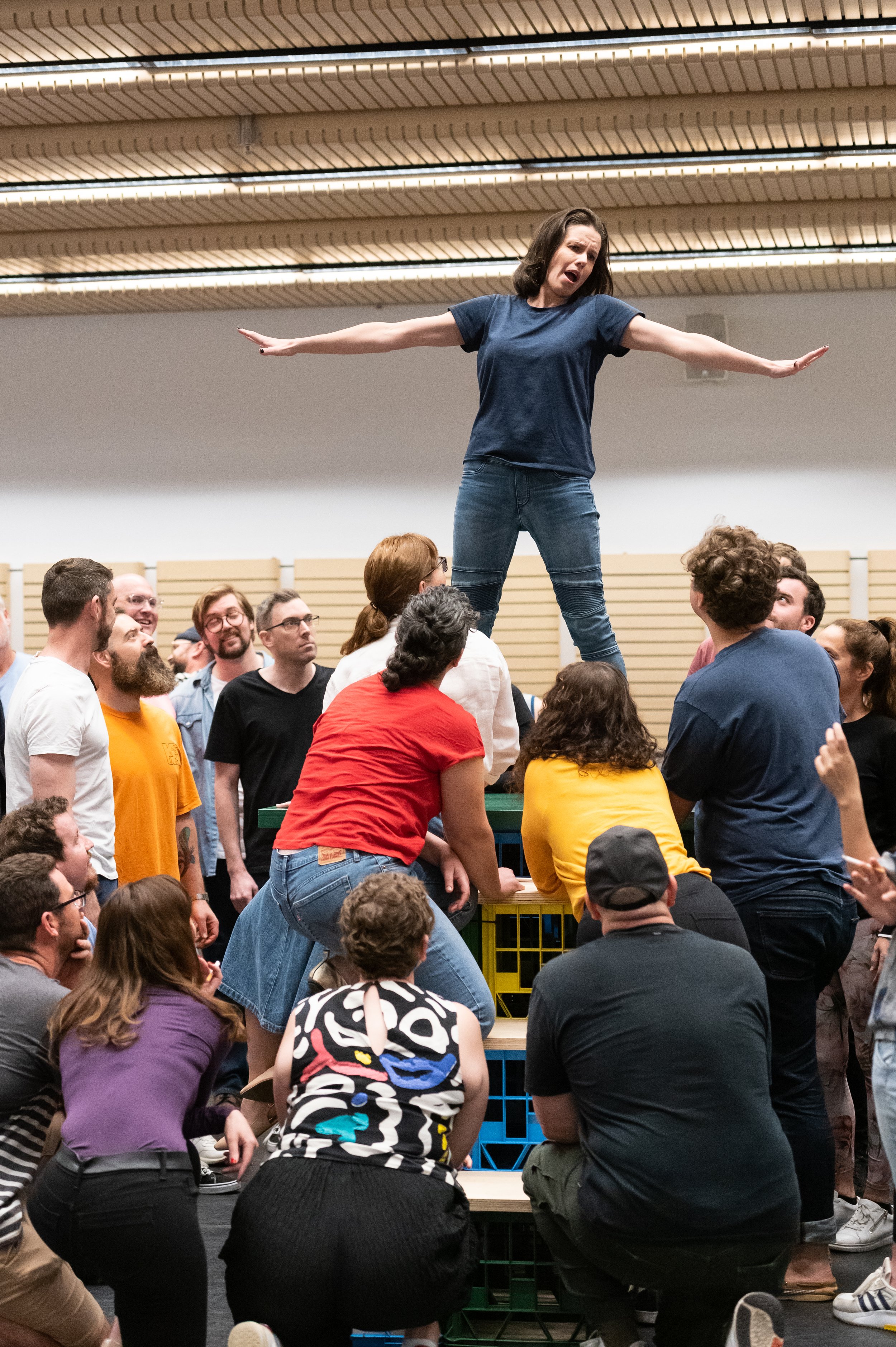
Integrating the motorbikes into a live operatic performance required close collaboration between specialist riders, stage management, performers and the technical and safety teams.
Routes, timing, audience separation, noise, sightlines, rehearsals and emergency procedures all needed to be carefully resolved—while ensuring that the final effect remained exciting, immediate and theatrical.
Together with the industrial set, wrecked vehicles and fireworks, the motorbikes helped create a world that felt inseparable from the island itself.
Carmen on Cockatoo Island was more than an opera staged outdoors. It was a complete site-specific experience in which the location, the journey and the spectacle were inseparable.
The project demonstrated my ability to lead ambitious theatrical work in unconventional environments—creating the venue, infrastructure and operational framework required to support artists and give audiences a polished, memorable night out.
It remains a strong example of the kind of work that informs Gwel Enys Productions: bold ideas, rigorous delivery and the ability to create a theatrical space almost anywhere.
Critical Response
The production was described as a:
“Bonkers and fabulous, crazy-brave spectacle.”
Reviewers highlighted the memorable ferry arrival, the production’s striking use of Cockatoo Island’s industrial environment and the bold opening in which motorbikes roared through the audience.